Zhipan Sport

Iranian Football: A Long and Arduous Journey

Jun 22, 09:34 PM

Iranian football, once a powerhouse in Asia, now faces numerous challenges on its path to revival.

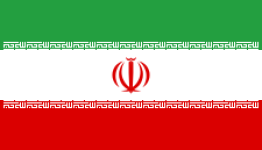
Iranian football has long been a dominant force in Asian football, with a rich history of success in the Asian Cup and World Cup appearances. However, in recent years, the sport in Iran has encountered significant obstacles, making its development a long and arduous journey. The golden era of Iranian football dates back to the 1970s when the national team won the Asian Cup twice. In the 21st century, Iran qualified for multiple World Cups, becoming a symbol of Asian football. Yet, as other Asian teams have risen, Iran's competitive edge has gradually diminished. The domestic league, the Iran Pro League, is the foundation of Iranian football. However, it has been plagued by financial difficulties due to economic sanctions, leading to an exodus of top players to foreign leagues. Corruption and mismanagement within the league's administration have further hindered its growth, resulting in a shallow talent pool for the national team. At the national team level, Iran's performance at the 2022 FIFA World Cup in Qatar was disappointing. The team failed to advance past the group stage, exposing weaknesses in tactics, psychology, and fitness. Frequent changes in head coaches have prevented the establishment of a stable tactical system. Despite having stars like Sardar Azmoun and Mehdi Taremi playing in Europe, the team's overall coordination and tactical execution remain lacking. The weakness of the youth development system is a long-term隐患 for Iranian football. Compared to other Asian powerhouses, Iran has underinvested in nurturing young players, leading to a shortage of future talent. Although the Iranian Football Federation has recently started to emphasize youth training, the results have yet to materialize. Additionally, outdated football infrastructure limits the expansion of the football population. Social factors also impact Iranian football. Political instability, ongoing economic sanctions, and cultural restrictions create numerous difficulties for the sport. The issue of female fans attending matches has drawn widespread attention; while some progress has been made, the overall environment remains unfavorable. Looking ahead, Iranian football needs reforms in multiple areas. First, the domestic league must be overhauled to improve its quality and appeal. Second, the youth development system should be strengthened to cultivate more young talents. Third, the national team requires stability and a long-term tactical identity. Only by overcoming these challenges can Iranian football rise again and return to the top of Asia. In conclusion, Iranian football stands at a crossroads, with a long and arduous road ahead. But with firm belief and bold reforms, Iranian football still has a bright future.