Zhipan Sport

World Cup Fever Meets Protest in Mexico City

Jun 11, 06:38 AM

As Mexico City hosts the World Cup for an unprecedented third time, protesters are keen to use the platform to highlight their causes.
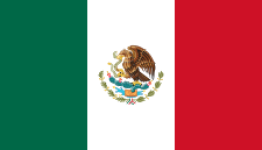

Mexico City, a metropolis rich in history and culture, is hosting the World Cup for the third time. This global sporting event not only brings football frenzy but also becomes a stage for social protests. On the streets, cheers from fans intermingle with chants from protesters, creating a unique urban tableau. Protesters have chosen to voice their concerns during the World Cup deliberately. They know that the global media spotlight will be on the city, allowing their actions to spread rapidly worldwide. Issues ranging from environmental protection to social justice, from economic inequality to political corruption, are brought to public attention. They hold up signs and shout slogans, trying to draw attention to deep-seated social problems amid the football fervor. The Mexico City government has adopted a cautious approach. On one hand, they want to ensure the smooth running of the World Cup and maintain the city's international image. On the other hand, they recognize that protests are a normal part of a democratic society. Police maintain order while avoiding excessive intervention to prevent larger conflicts. This delicate balance tests the government's wisdom. On the pitch, players strive for glory. Outside the stadiums, protesters fight for their beliefs. Two different battles unfold in the same city, intertwining and influencing each other. Some fans say they understand the protesters' demands but hope the protests do not disrupt the matches. Protesters, however, believe the World Cup provides a rare platform they must seize to make their voices heard. The international community is also paying attention to the protests in Mexico City. Some international organizations call for restraint and dialogue to resolve issues. They also emphasize that the World Cup should not be an excuse to ignore social problems. The relationship between sports and politics is once again a topic of discussion. As the World Cup progresses, whether protests will escalate remains uncertain. But one thing is clear: the city is undergoing an unprecedented test. How to balance celebration and protest, how to let sportsmanship coexist with social justice, are questions that Mexico City and the world need to ponder. The World Cup fever will eventually subside, but the thoughts left by the protest wave will not easily dissipate. Mexico City's experience may serve as a reference for future host cities, reminding people not to forget to listen to society's voice while pursuing sporting spectacles.