Zhipan Sport

Why Saudi Arabia and Iraq Flags Are Not Laid Down at World Cup

Jun 23, 12:29 AM

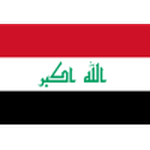
The flags of Saudi Arabia and Iraq are not placed on the ground during World Cup pre-match ceremonies because they contain religious wording.
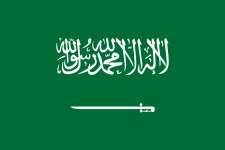
During World Cup pre-match ceremonies, it is customary to display the flags of participating nations. However, the flags of Saudi Arabia and Iraq are never laid on the ground. This unique practice stems from the religious text inscribed on both flags: the Islamic declaration of faith, known as the Shahada. The Shahada states, "There is no god but Allah, and Muhammad is the messenger of Allah." For Muslims, this phrase is profoundly sacred, and placing it on the ground or stepping on it is considered highly disrespectful. Consequently, FIFA has implemented a special rule ensuring that these two flags never touch the ground during official ceremonies. This regulation is not exclusive to the World Cup; similar protocols are observed in other international sporting events, such as the Olympics. The policy reflects a broader commitment to respecting religious and cultural sensitivities, acknowledging the diverse backgrounds of participants and fans. As the world's most prestigious football tournament, the World Cup brings together teams and supporters from myriad cultures and faiths. FIFA's attention to such details demonstrates its dedication to inclusivity and mutual respect. By accommodating the religious significance of the Saudi and Iraqi flags, the organization fosters an environment of understanding. For many fans, this may seem like a minor detail, but it carries substantial cultural weight. In an increasingly globalized world, sports events serve as platforms for cross-cultural dialogue. This practice highlights how even small gestures can promote harmony and respect among different communities. The Shahada is not only featured on flags but also appears in Islamic architecture, art, and everyday objects. Its sanctity demands careful handling, and FIFA's policy has been widely praised by Muslim-majority nations and religious authorities. In summary, the decision not to lay down the flags of Saudi Arabia and Iraq at the World Cup is rooted in religious respect, not politics or discrimination. It serves as a reminder that understanding and honoring cultural differences is essential for fostering global unity in sports and beyond.