Zhipan Sport

The trauma and hope behind Haiti's rare World Cup appearance

Jun 13, 07:29 PM

Haiti's first appearance at a men's World Cup for 52 years is as much about hope as it is goals for the conflict-torn nation.
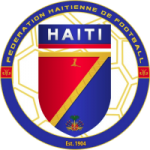
Haiti has qualified for the 2026 FIFA World Cup, marking its first appearance in the men's tournament since 1974. For a nation battered by political instability, natural disasters, and gang violence, this achievement transcends sport. It is a beacon of hope for millions who have endured unimaginable hardship. The journey to Qatar 2022? No, this time it's 2026, co-hosted by the United States, Canada, and Mexico. Haiti secured its spot by defeating a strong opponent in the CONCACAF qualifiers, sparking celebrations across the country. In Port-au-Prince, fans took to the streets, dancing and waving flags, momentarily forgetting the daily struggles of survival. Haiti's football resurgence is rooted in grassroots development. The Haitian Football Federation has invested in youth academies, and many players now ply their trade in Europe and North America. Captain Duckens Nazon, who plays for a club in France, said: "We carry the dreams of every Haitian. This is for those who have lost everything but never lost faith." The 1974 World Cup remains a cherished memory. Haiti scored its first goal in the tournament against Italy, a moment of pride for the Caribbean nation. Now, a new generation aims to create its own history. The team's style is characterized by speed, technical skill, and an unyielding spirit—a reflection of the Haitian people. However, the road to the World Cup has not been easy. Training camps were disrupted by security concerns, and players often worried about their families back home. Yet, they persevered. Goalkeeper Johny Placide said: "We play with heavy hearts, but we play for joy. Football is our escape." The World Cup qualification has also drawn international attention to Haiti's plight. Humanitarian organizations hope the spotlight will bring aid and investment. Meanwhile, Haitian diaspora communities in the US and Canada are mobilizing support, organizing watch parties and fundraisers. As the team prepares for the tournament, they know the odds are stacked against them. But for Haiti, simply being on the world stage is a victory. Coach Gabriel Calderón summed it up: "We are not just a team; we are a symbol of resilience. We will fight for every ball, for every Haitian." The World Cup will be a platform for Haiti to tell its story—a story of trauma and hope, of pain and perseverance. And when the national anthem plays, millions will stand with them, united in pride.